The Rise of XR-Powered Classrooms: How Experiential Learning Is Transforming Education in 2026
The Rise of XR-Powered Classrooms: How Experiential Learning Is Transforming Education in 2026
Education is changing faster than ever before.
For decades, traditional learning relied heavily on textbooks, lectures, memorization, and passive content consumption. While these methods helped build foundational knowledge, they often struggled to keep students fully engaged or help them understand complex real-world concepts.
In 2026, a major shift is happening.
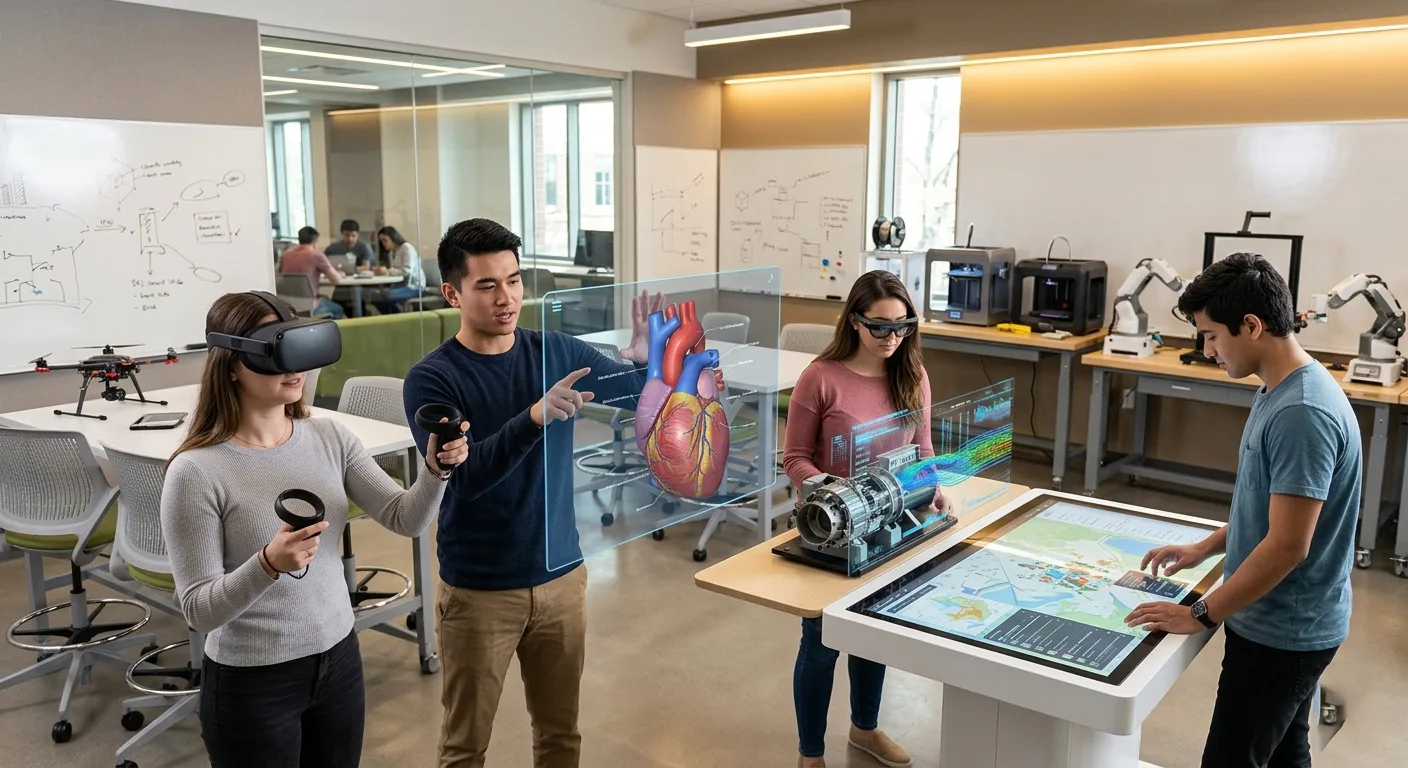
Schools, universities, and EdTech platforms are moving toward Experiential Learning - a model where students learn by doing, exploring, interacting, and experiencing concepts rather than simply reading about them. Technologies like Extended Reality (XR), Virtual Reality (VR), Augmented Reality (AR), and interactive 3D learning are becoming key drivers of this transformation.
For platforms like VidyaXR, this shift represents the future of education.
What Is Experiential Learning?
Experiential Learning is a learning approach where students actively participate in the learning process rather than passively receiving information.
Instead of:
- Reading about the solar system
- Watching a recorded science experiment
- Memorizing diagrams
Students can:
- Explore planets in 3D
- Conduct virtual experiments
- Interact with simulations
- Visualize scientific concepts from every angle
This creates stronger understanding because students are directly involved in the learning experience.
Research and industry trends continue to show that immersive and interactive learning environments improve engagement, retention, and concept comprehension compared to traditional passive learning methods.
Why Traditional Learning Faces Challenges
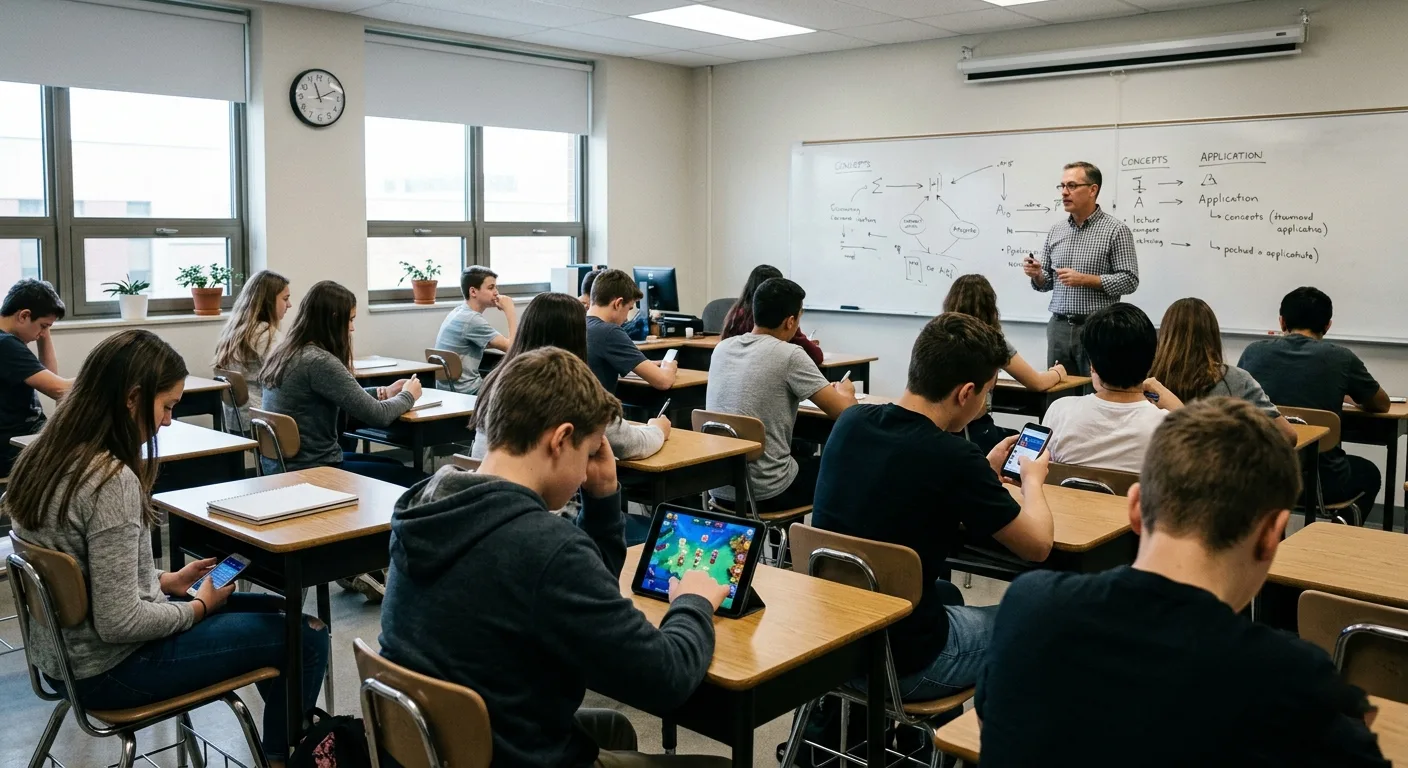
Today's students grow up surrounded by interactive technology.
They use:
- Smartphones
- Interactive apps
- Gaming environments
- Social media
- AI-powered tools
When they enter a classroom and face long lectures or static content, maintaining attention becomes increasingly difficult.
Some common challenges include:
Limited Visualization
Subjects like Physics, Biology, Chemistry, and Engineering often involve concepts that are difficult to imagine through text alone.
Low Engagement
Students can become passive learners when information is delivered without interaction.
Poor Knowledge Retention
Memorization-based learning often leads to short-term recall rather than deep understanding.
Lack of Practical Exposure
Many concepts remain theoretical because real-world demonstrations are expensive, risky, or inaccessible.
These challenges are driving educational institutions to adopt more immersive learning models.
How XR Is Changing Education
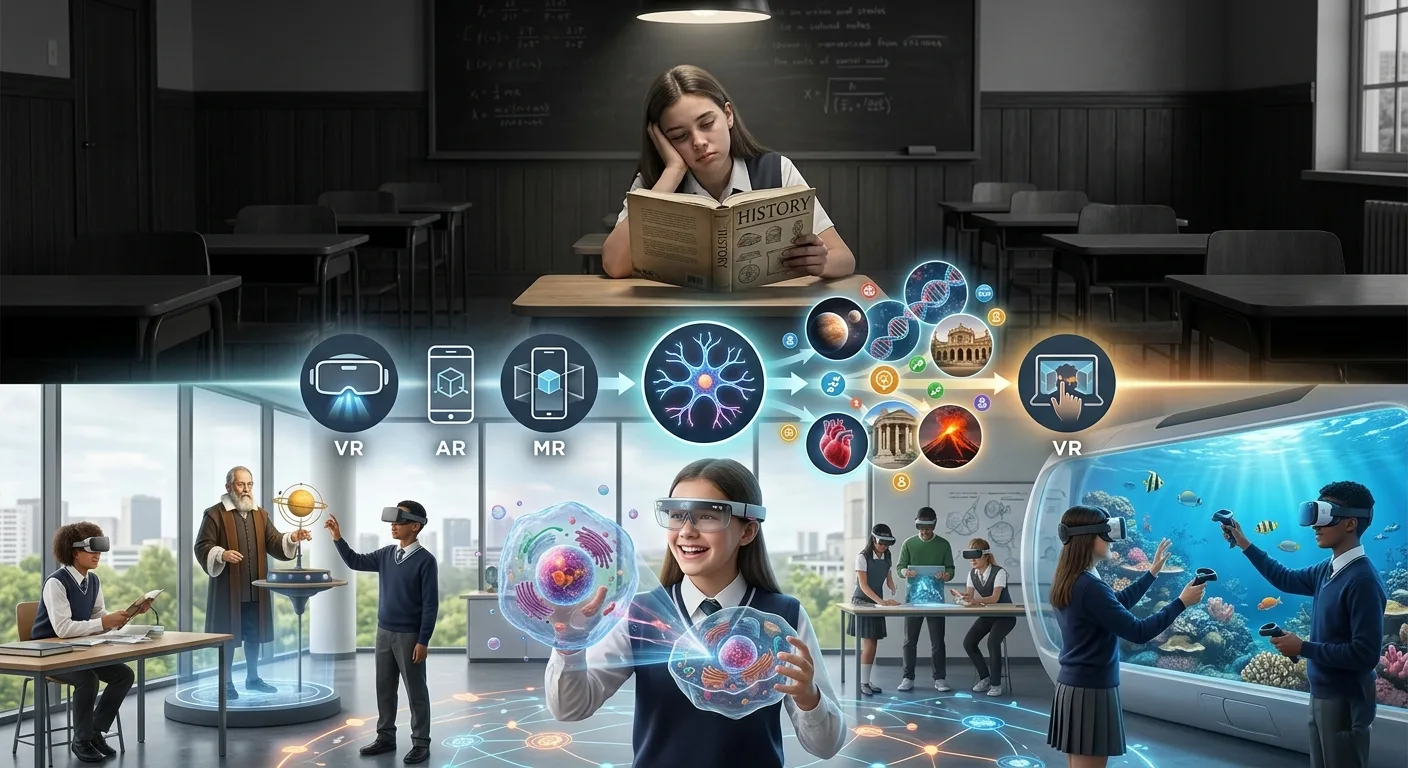
Extended Reality (XR) combines:
- Virtual Reality (VR)
- Augmented Reality (AR)
- Mixed Reality (MR)
to create immersive educational experiences.
XR transforms learning from:
"Read and remember" to "Experience and understand."
Example: Human Anatomy
Instead of studying flat textbook diagrams, students can:
- Explore organs in 3D
- Rotate structures
- Zoom into body systems
- Understand relationships between organs visually
Example: Physics Concepts
Students can:
- Interact with forces
- Observe motion in real-time
- Modify variables
- Learn through experimentation
Example: Chemistry Labs
Virtual laboratories allow students to:
- Conduct experiments safely
- Repeat procedures multiple times
- Learn without expensive equipment
This practical interaction creates stronger concept clarity and confidence.
The Growing Role of WebXR and Accessible Learning
One of the biggest barriers to immersive education was hardware cost.
Today, technologies like WebXR are changing that.
Students no longer need expensive setups to access interactive educational content.
Modern XR platforms can deliver:
- Browser-based experiences
- Mobile-friendly simulations
- Interactive 3D environments
- Cross-device accessibility
This makes immersive learning more scalable and accessible for schools and students worldwide.
AI + XR: The Next Evolution of Learning
Another major trend in 2026 is the integration of Artificial Intelligence with immersive learning.
AI can help create:
Personalized Learning Paths
Students learn at different speeds.
AI can adapt lessons based on:
- Progress
- Performance
- Learning behavior
Intelligent Feedback
Instead of waiting for assessments, students receive instant guidance while learning.
Adaptive Simulations
Learning environments can automatically adjust difficulty levels to match student understanding.
This combination of AI and XR creates highly personalized educational experiences.
Benefits of Experiential Learning Through XR
Higher Engagement
Interactive experiences naturally attract student attention.
Better Concept Understanding
Students can visualize and manipulate complex ideas.
Improved Knowledge Retention
Learning through experience helps information stay longer in memory.
Safe Learning Environment
Students can practice experiments and procedures without real-world risks.
Increased Curiosity
Immersive learning encourages exploration and critical thinking.
Real-World Skill Development
Students develop problem-solving abilities through hands-on interaction.
These advantages explain why immersive learning is becoming a major focus across education and workforce training.
The Future Classroom Will Be Interactive
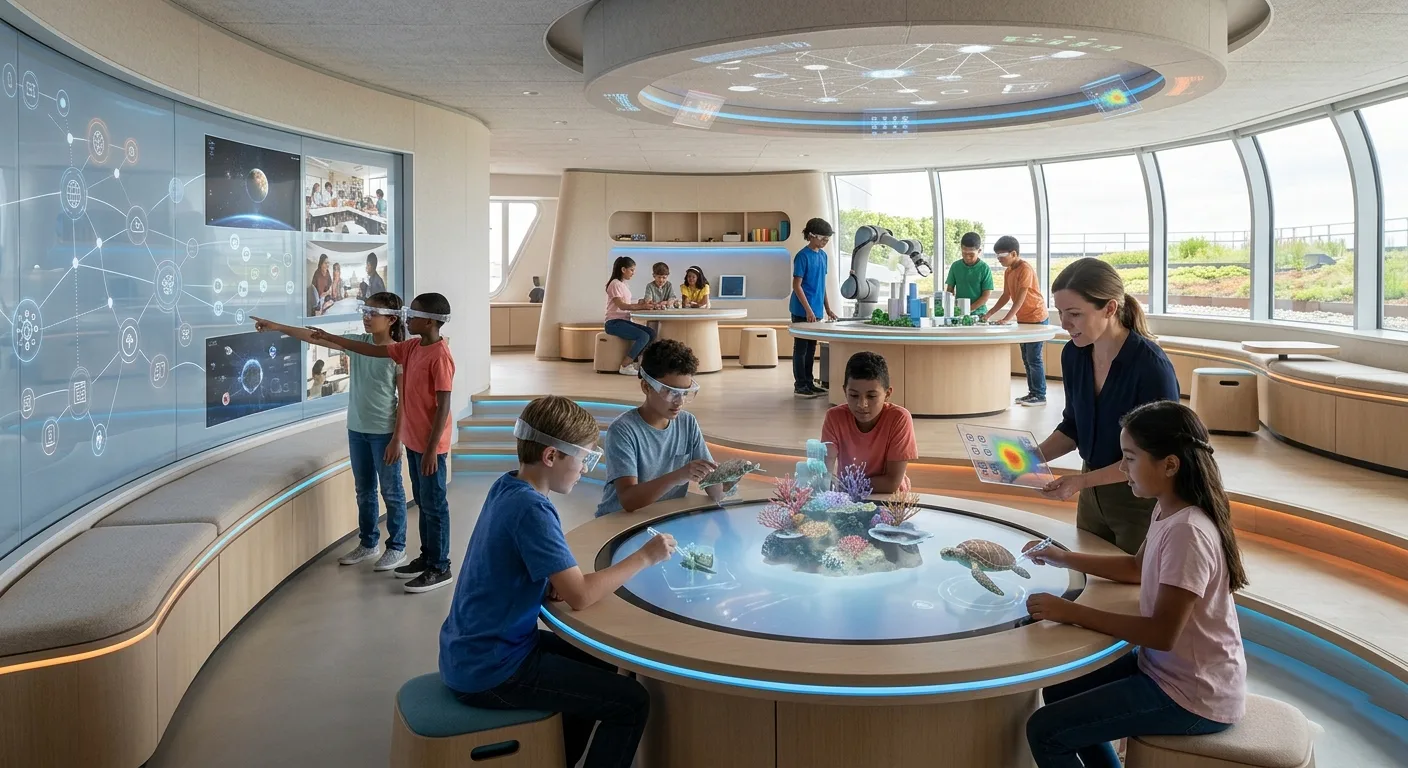
The classroom of the future will look very different from traditional learning environments.
Students will:
- Explore concepts in 3D
- Participate in virtual labs
- Learn through simulations
- Collaborate inside immersive environments
- Access personalized learning experiences
Education will become less about consuming information and more about experiencing it.
Industry experts increasingly view XR as a foundational technology for future education, training, and skill development.
How VidyaXR Is Supporting This Transformation
Platforms like VidyaXR are helping bring experiential learning into everyday education.
By combining:
- Interactive 3D learning
- XR-powered experiences
- Virtual experiments
- Concept-based exploration
- WebXR accessibility
students can move beyond passive learning and actively engage with concepts.
The goal is simple:
Learning should not just be watched. It should be experienced.
As immersive education continues to evolve, experiential learning will play a central role in helping students understand, retain, and apply knowledge more effectively than ever before.
Meta Title:
XR-Powered Classrooms in 2026: The Future of Experiential Learning
Meta Description:
Discover how XR, VR, AR, and experiential learning are transforming education in 2026. Learn how immersive technologies help students understand concepts faster, improve engagement, and build real-world skills.
For a closer look at this, see our guide to How Teachers Can Use 3D Learning in Indian Classrooms.