Why Device-Based XR Learning Is Becoming the Future of Education
Why Device-Based XR Learning Is Becoming the Future of Education
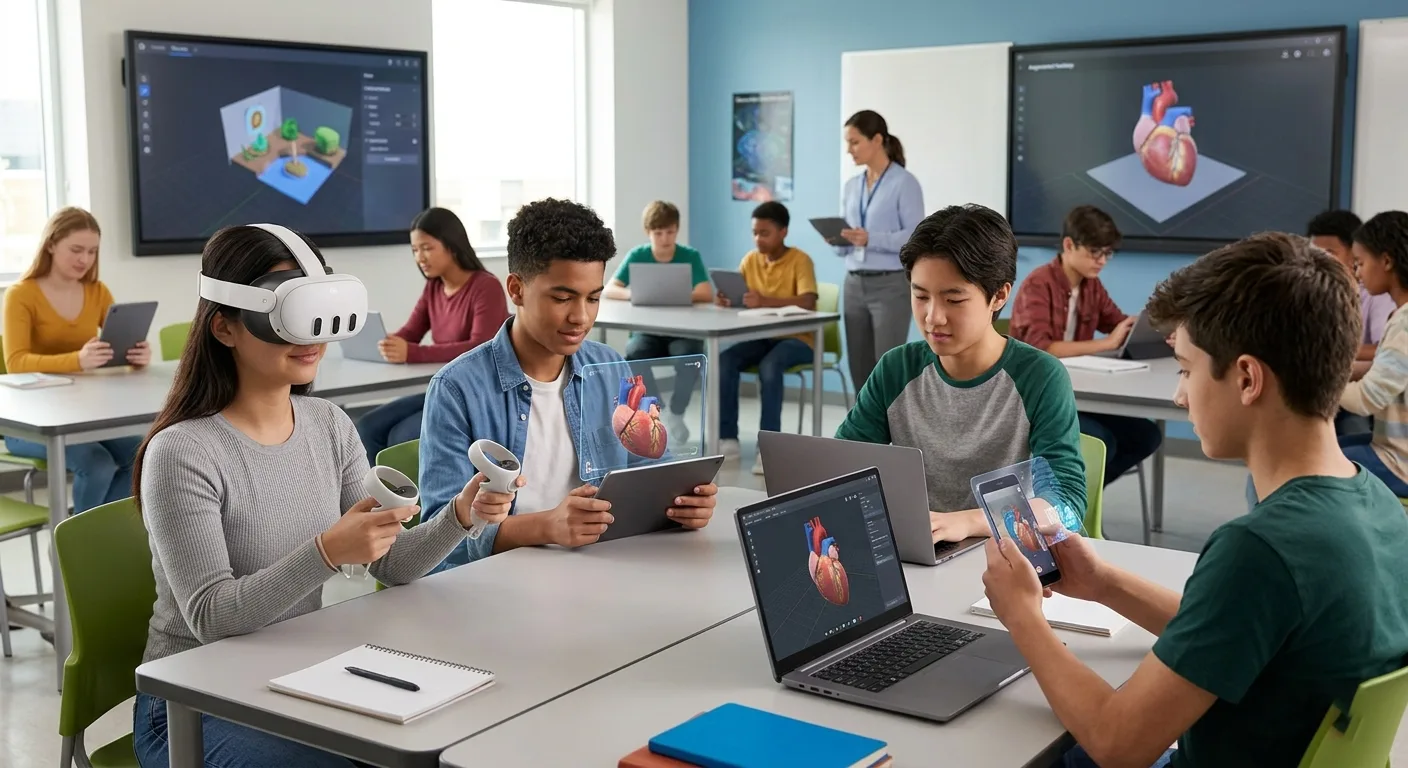
The education industry is entering a new phase where students no longer want to simply read, watch, and memorize information. Modern learners expect interaction, exploration, and real-world engagement. This shift is driving the growth of Device-Based XR Learning, a learning approach that uses smartphones, tablets, laptops, AR devices, and VR headsets to create immersive educational experiences.
Unlike traditional digital learning platforms that rely heavily on videos and static content, device-based XR learning allows students to actively participate in the learning process. They can explore 3D models, perform virtual experiments, interact with scientific concepts, and understand complex subjects through experience rather than observation.
As educational technology continues to evolve, device-based XR is emerging as one of the most practical and scalable ways to improve learning outcomes.
What Is Device-Based XR Learning?
XR stands for Extended Reality, a term that includes:
- Virtual Reality (VR)
- Augmented Reality (AR)
- Mixed Reality (MR)
Device-based XR learning refers to delivering these immersive experiences through devices that students already use every day.
Instead of requiring expensive laboratory setups or specialized hardware, students can access interactive learning environments directly from:
- Smartphones
- Tablets
- Laptops
- Desktop computers
- VR headsets (optional)
This accessibility makes XR learning more practical for schools, colleges, coaching institutes, and independent learners. Many modern XR platforms now focus on compatibility across multiple devices rather than depending entirely on VR hardware.
Why Traditional Digital Learning Has Limitations
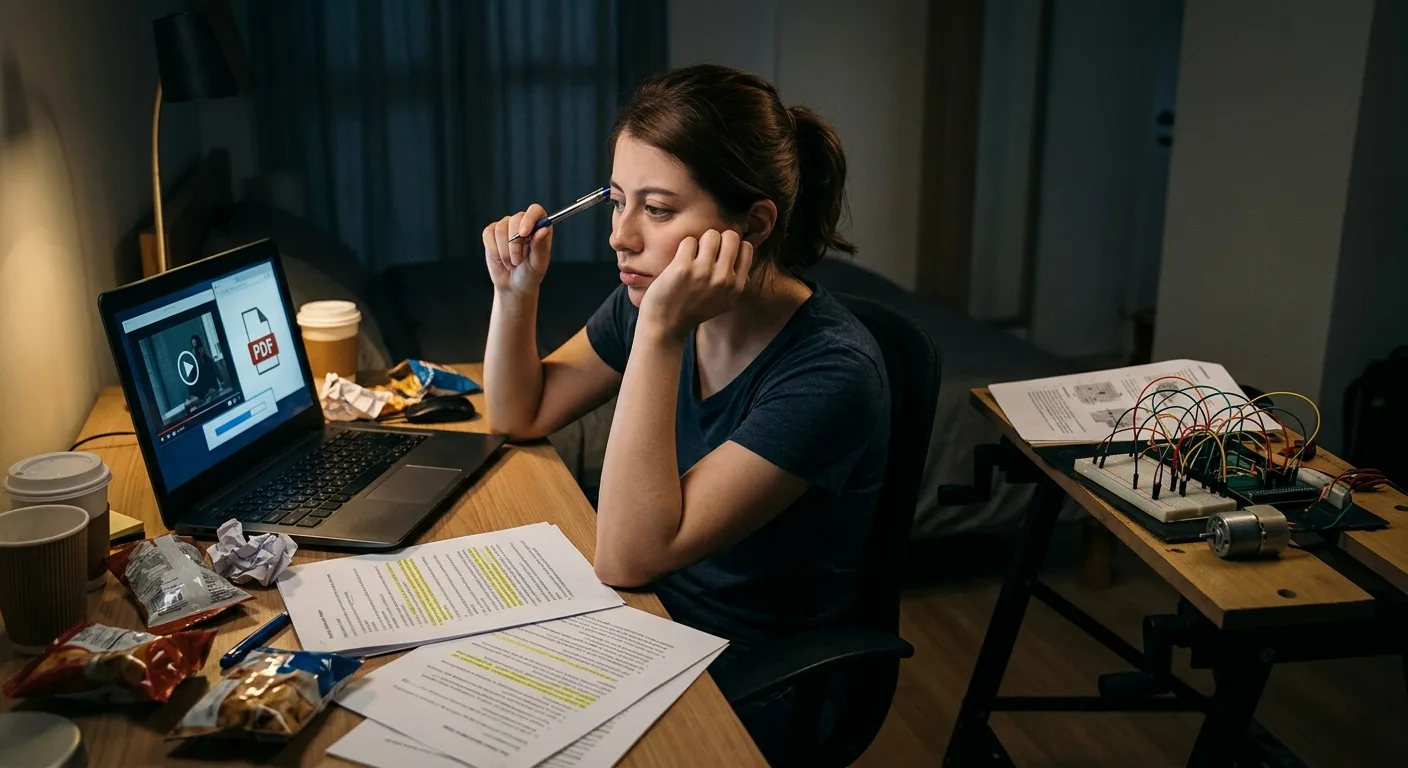
For years, online education has been built around videos, PDFs, and recorded lectures.
While these formats help distribute knowledge at scale, they often create passive learning experiences. Students watch lessons for long periods but may struggle to apply concepts in practical situations.
Common challenges include:
- Low engagement levels
- Short attention spans
- Limited practical understanding
- Difficulty visualizing complex concepts
- Lack of hands-on experience
Research and industry observations continue to show that immersive learning environments can improve engagement because learners actively interact with content instead of simply consuming it.
The Power of Learning by Doing
One of the biggest advantages of XR learning is experiential education.
When students interact with concepts directly, they gain a deeper understanding of how systems work.
For example:
Science Education
Instead of looking at diagrams in a textbook, students can:
- Explore a human heart in 3D
- Observe molecular structures from every angle
- Conduct virtual chemistry experiments
- Visualize biological processes in motion
Engineering Education
Students can:
- Examine machine components
- Understand mechanical systems
- Simulate industrial workflows
- Practice technical procedures safely
Mathematics
XR environments can transform abstract formulas into visual and interactive experiences, making difficult concepts easier to understand.
These experiences help bridge the gap between theoretical knowledge and practical understanding.
Accessibility Is Driving Adoption
One reason earlier VR education solutions struggled was hardware dependency.
Many schools could not afford large-scale VR deployments. Students also faced challenges related to device setup, maintenance, and accessibility.
Device-based XR changes this equation.
Today, immersive learning can run on devices students already own. This significantly reduces implementation barriers while expanding access to a larger audience.
Educational platforms are increasingly focusing on web-accessible and device-compatible experiences that work across multiple environments. This approach makes immersive learning more scalable and practical for institutions.
Better Engagement Than Passive Content
Modern students are surrounded by interactive digital experiences every day.
Social media, gaming platforms, and mobile applications have trained users to expect engagement and participation.
Traditional educational content often struggles to compete for attention.
Device-based XR addresses this challenge by creating environments where students:
- Interact with concepts
- Receive immediate feedback
- Experiment without consequences
- Learn through exploration
Instead of watching a process, learners become part of the process itself.
This shift from passive observation to active participation is becoming one of the defining trends in educational technology.
The Rise of Virtual Labs
Physical laboratories remain important, but they often come with limitations:
- High costs
- Limited equipment
- Safety concerns
- Scheduling restrictions
Virtual laboratories provide an additional layer of flexibility.
Students can:
- Repeat experiments multiple times
- Learn at their own pace
- Practice before entering physical labs
- Access learning environments from anywhere
For institutions looking to expand practical learning opportunities, device-based XR provides a cost-effective complement to traditional laboratory education.
Personalized Learning Experiences
The future of education is increasingly focused on personalization.
Every student learns differently. Some prefer visual explanations, while others benefit from interactive exploration.
XR environments can adapt learning experiences by:
- Offering different interaction methods
- Supporting self-paced exploration
- Providing visual context for complex topics
- Enabling repeated practice
As AI becomes integrated with XR technologies, learning systems are expected to become even more adaptive and responsive to individual learning needs.
The Future of Device-Based XR Learning
The next generation of education will likely combine:
- Interactive 3D environments
- AI-powered learning systems
- Virtual laboratories
- Real-time collaboration
- Cross-device accessibility
Instead of replacing traditional education, device-based XR will enhance it by making learning more engaging, practical, and accessible.
As internet infrastructure improves and immersive technologies become more affordable, XR learning is expected to become a standard part of modern education rather than a specialized feature.
For a closer look at this, see our guide to VR Learning Without Headsets.
Conclusion
Device-Based XR Learning represents a major shift in how knowledge is delivered and experienced. By turning learning into an interactive process, it helps students understand concepts more deeply, stay engaged longer, and develop practical skills that traditional methods often struggle to provide.
The future classroom will not be defined by screens alone. It will be defined by interaction, exploration, and immersive experiences that allow students to learn by doing.
Platforms like VidyaXR are part of this growing movement, helping make immersive education accessible across everyday devices while reducing dependence on expensive hardware and complex installations.